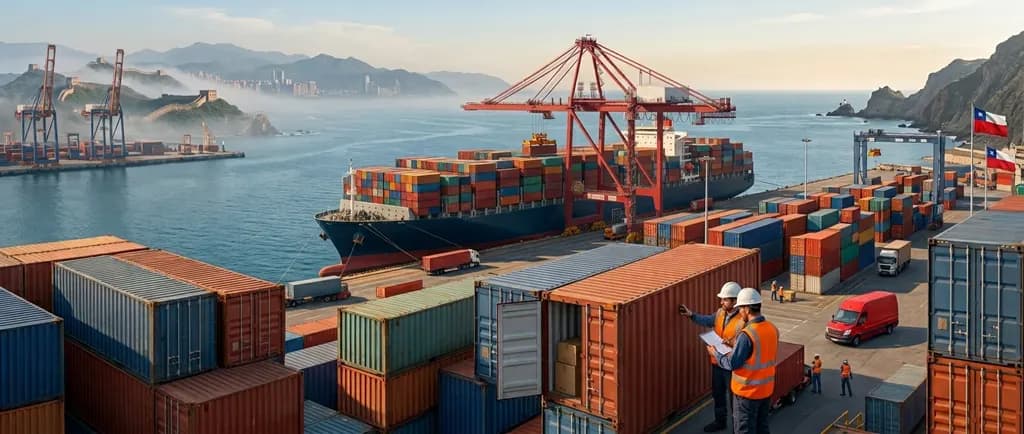
The Future of Importing: Trends to Watch in 2023
The Current State of the Import Industry
The import industry is currently undergoing significant changes. The ongoing global pandemic has brought unprecedented challenges, forcing industry players to adapt and innovate. Many businesses are dealing with supply chain disruptions, fluctuating tariffs, and shifting consumer demand. However, it is not all doom and gloom. Technological advances are offering new solutions, and emerging markets are providing fresh opportunities. As we move into 2023, it is clear that the import industry is at a critical juncture, poised for significant transformation.
The Role of Technology in Shaping the Future of Importing
Technology is fundamentally reshaping the future of importing, making it more efficient, effective, and cost-effective. Digital platforms are simplifying the import process, allowing companies to manage their international transactions with ease. Blockchain technology is ensuring the security and transparency of transactions, reducing fraud and building trust. Artificial intelligence and machine learning are improving logistics and inventory management, forecasting demand and reducing delays. In addition, the use of drones and autonomous vehicles for delivery promises faster and more sustainable transportation. In essence, technology is not just changing the way importing is done; it is revolutionizing it.
Sustainable Importing: The Push Toward Eco-Friendly Practices in 2023
One of the main import trends to watch in 2023 is the push toward sustainable practices. More and more companies are aware of their environmental impact and are looking for ways to reduce it. This has led to a rise in sustainable importing, which means sourcing goods in a way that minimizes environmental harm.
This could mean importing from suppliers that use environmentally friendly manufacturing processes or choosing transportation methods with a lower carbon footprint. The goal is to strike a balance between meeting consumer demand and preserving the planet. As we move through 2023, we expect to see a greater emphasis on sustainable, environmentally friendly import practices across the global trade industry.
The Impact of COVID-19 on the Future of Global Importing
COVID-19 has undoubtedly reshaped the global import landscape. As we move into 2023, the effects of the pandemic continue to linger, affecting supply chains and causing significant delays. Companies are being forced to rethink their strategies, diversify their supplier base, and build resilience against future disruptions. The growing use of technology and a shift toward regional sourcing are among the main trends observed. In essence, the pandemic has accelerated the need for companies to adapt and innovate in the face of new challenges in the global import sector.
The Rise of E-Commerce and Its Implications for Importing in 2023
The explosive growth of e-commerce is dramatically transforming the import landscape in 2023. With more companies turning to online sales, we are witnessing a shift in the dynamics of global trade. Importers now have the opportunity to source products directly from manufacturers around the world, eliminating the need for intermediaries. However, this also brings new challenges, such as managing logistics and complying with international trade regulations. In addition, customer expectations for fast delivery, driven by e-commerce giants like Amazon or Alibaba, add another layer of complexity to the import business. In short, the rise of e-commerce is creating both exciting opportunities and significant obstacles for importers in 2023.
The Shift Toward Local Sourcing: A Potential Threat to Importing?
1.
A significant trend that could potentially disrupt the import space is the growing shift toward local sourcing. More and more companies are choosing to source their goods or services locally, driven by factors such as lower transportation costs, faster delivery times, and the desire to support local economies. This trend also aligns with consumers' growing preference for locally made products, which are perceived as higher quality and having a lower environmental impact. While it is unlikely to replace importing entirely, the rise of local sourcing could certainly pose a challenge to the traditional import market. It is a trend importers should keep a close eye on in 2023 and beyond.
Regulatory Changes to Watch in 2023 That May Affect Importing
In 2023, importers should pay close attention to regulatory changes that could significantly affect their operations. Amid the ongoing global pandemic, many countries are reassessing their trade policies and procedures. Key areas to watch include changes in tariff rates, amendments to customs rules, and changes in import licensing requirements. In addition, the growing global focus on sustainability may lead to stricter environmental regulations for imported goods. These changes could affect the cost, timing, and feasibility of importing goods, so it is crucial for importers to stay informed and adapt their strategies accordingly.
The Influence of Global Politics on the Future of Importing
Global politics has a significant influence on the future of importing. Political stability, international relations, and trade policies directly affect how countries import and export goods. For example, political tensions can trigger trade wars, resulting in higher tariffs or import restrictions. On the other hand, friendly relations and free trade agreements can stimulate import activity. Looking ahead to 2023, we anticipate an increase in regional trade, driven by geopolitical shifts and the desire for self-sufficiency after the Covid-19 pandemic. These changes in the global political landscape will undoubtedly shape the future of importing.
Expected Market Trends and Their Impact on Importing in 2023
In 2023, several expected market trends could significantly affect the world of importing. First, digitalization and e-commerce are expected to keep booming, making it easier to source products directly from abroad. This trend could reduce costs and increase efficiency. Second, sustainability is becoming a priority for many companies. This shift may lead to an increase in imports of eco-friendly products and materials. Finally, geopolitical tensions and trade wars could disrupt traditional import routes and partnerships. These changes could force companies to look for new markets and suppliers. Staying informed and adaptable is therefore crucial for success in the ever-changing import landscape of 2023.
Conclusion: Preparing for the Future of Importing in 2023 and Beyond
In conclusion, looking ahead to 2023 and beyond, it is crucial for companies to adapt and prepare for the future of importing. Trends such as digitalization, sustainability, and changes in global trade agreements are reshaping the import landscape. By staying informed and flexible, companies can navigate these changes, seize new opportunities, and mitigate potential risks. Modern technology solutions can streamline customs procedures and documentation, while sustainable practices can help meet growing consumer demand for eco-friendly products. As the world of importing evolves, those who anticipate and adapt to these trends will be best positioned for success.